Table Of Content

It may grow back thinner, coarser, curly, or a different color. However, sometimes hair changes caused by cancer treatment are permanent. A person may reduce their risk of hair loss due to chemotherapy by wearing a cooling cap. A person can speak with oncology providers to discuss cooling caps and other methods that may help them cope with hair changes during chemotherapy. Although people with advanced ovarian cancer can initially be treated successfully with platinum-based chemotherapy drugs, the cancer often comes back. Food and Drug Administration approved a new type of cold cap to reduce hair loss in people undergoing chemotherapy.
Surgery May Be an Option When Ovarian Cancer Returns
Cancer treatments, such as radiation and chemotherapy, attack fast-growing cancer cells. These treatments can also affect normal cells that grow fast, such as hair cells. Most commonly, hair loss is caused by certain types of chemotherapy and radiation therapy to certain areas of the body. But other treatments, such as targeted therapy, immunotherapy, hormone therapy, and a bone marrow (stem cell) transplant can also cause hair loss and hair changes.
When — and how — should you be screened for colon cancer?
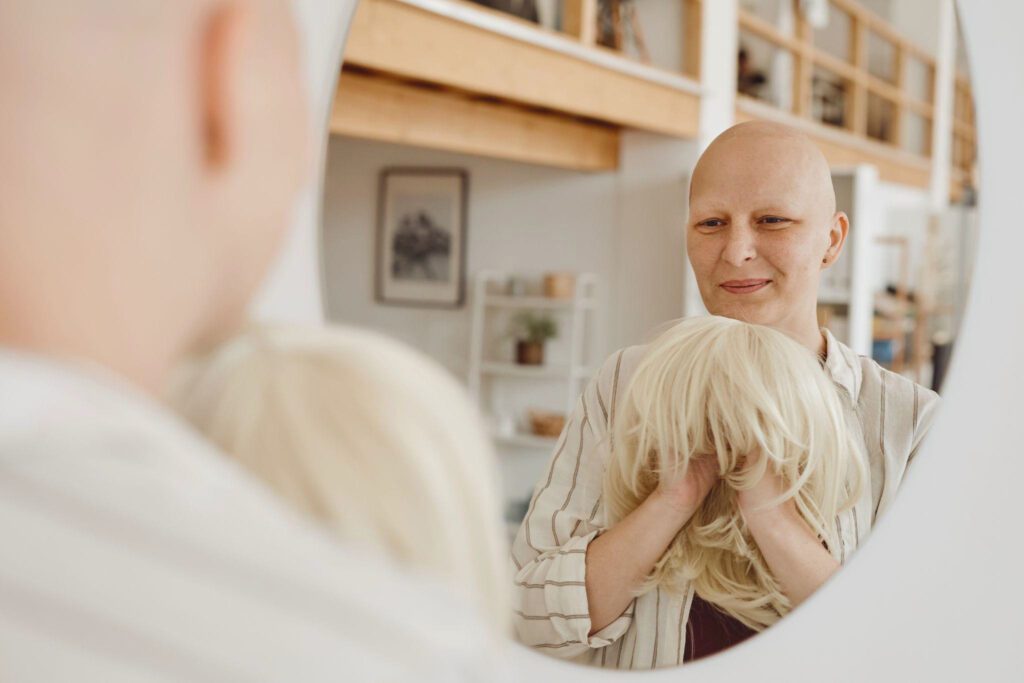
If you are having an operation on a part of the body that has hair, that area will be shaved. Hair usually begins to fall out after 2 to 3 weeks. It takes about a week for the hair in the treatment area to fall out completely. You can ask your cancer doctor or radiographer to show you where your hair may fall out. Lifespan, Rhode Island's first health system, was founded in 1994 by Rhode Island Hospital and The Miriam Hospital. By Brandi Jones, MSN-ED RN-BCJones is a registered nurse and freelance health writer with more than two decades of healthcare experience.
Does everyone who receives cancer treatment lose hair?
Chemotherapy and radiation kill fast-growing cancer cells. However, these treatments also affect normal cells that are fast growing, such as hair. If hair loss is going to happen, it most often starts within 1-3 weeks of treatment and becomes more noticeable 1 to 2 months after starting therapy.
Most of the time, hair grows back after cancer treatment ends. For example, hair usually starts to grow back 1 to 3 months after chemotherapy ends. It often takes 6 to 12 months to grow back completely.
What Is Preventative Chemotherapy? All on Kate Middleton's Treatment - Harper's Bazaar UK
What Is Preventative Chemotherapy? All on Kate Middleton's Treatment.
Posted: Sat, 23 Mar 2024 07:00:00 GMT [source]
Hair loss from chemotherapy is one of the side effects people dread most. If you have alopecia, you can help hold onto your tresses by avoiding behaviors that are known to contribute to temporary and permanent hair loss, Mirmirani says. You can either purchase over-the-counter laser devices to use at home or receive the treatments from a provider. A variety of treatments have been developed to help regrow hair and thicken existing hair on patients with alopecia, dermatologists say. Their effectiveness largely depends upon what type of alopecia you have and how quickly you start treatment. The most common cause of alopecia is an inherited condition called male- or female-pattern hair loss.
What? Another medical form to fill out?
Several minor side effects were noted in this study, including chills, headaches, scalp irritation, and neck and shoulder discomfort. Of the more than 100 women in the group who wore cold caps, only three stopped using the cap during the study because it made them feel too cold. Before you start chemotherapy, your cancer doctor or chemotherapy nurse will talk to you about side effects and how likely you are to lose your hair. You will not start treatment until you have given your consent. Healthy cells can usually recover from damage caused by chemotherapy.
How do trees and green spaces enhance our health?
This will help you to understand your hair loss and deal with this distressing side effect. Medications and supplements for hair loss can slow hair thinning and increase coverage of your scalp by growing new hair and enlarging existing hairs. If you are considering a wig, it is best to buy it before or early in treatment. You can ask your care providers about local wig buying options, search online for local wig boutiques or ask a support group for recommendations. There are also some online retailers that sell wigs and other head coverings. There are various steps a person can take to care for thinning hair and cope with hair loss.
(Hair loss related to radiation therapy, in contrast, is often permanent). Some of the newer cancer drugs are more precise in targeting cancer cells and may not result in hair loss. There are also varying degrees of hair loss, regardless of chemotherapy drug type and regimen.
You can also style your hair with your fingers instead. Ask your healthcare professional or a hospital social worker about resources in your area to help you find the head covering that's best for you. Consider the following actions to help you cope with hair loss during treatment.
'Today' show's Jill Martin cries trying on wigs after chemo hair loss: Cancer will 'take your soul' - New York Post
'Today' show's Jill Martin cries trying on wigs after chemo hair loss: Cancer will 'take your soul'.
Posted: Thu, 28 Dec 2023 08:00:00 GMT [source]
There is a very small risk that your hair won’t grow back after radiation therapy to your head. This information will help you understand hair loss during cancer treatment. You may choose to wear a wig or hairpiece when you start losing your hair. Immunotherapy and targeted therapy do not usually cause complete hair loss. But many of these treatments can cause hair to become thinner, curlier, or drier than usual.
It’s usually genetic, but it can also be triggered by diseases or disorders that attack the hair follicles. Being gentle with your hair while it’s experiencing change is important so as not to exacerbate any thinning. It goes without saying that excessive heat and chemical treatments aren’t a good idea, but try and opt for protective hairstyles too. “Opt for hairstyles that minimize tension on the hair follicles, such as loose braids, buns or ponytails,” advises Gaboardi. “Avoid tight hairstyles and hair accessories that pull on the hair and handle your hair with care to minimise breakage and damage.
Getting a custom-made wig may require several visits to the wig store for it to be colored, cut, and cleaned. Custom-made wigs are usually made of human hair, but can be made of synthetic (not human) materials. Everyone’s body chemistry is different, of course, but it’s unusual for changes like that to be permanent.
There are differing views about whether gentle scalp massage may help hair growth. If this is something you want to try, talk to a hairdresser or barber. Check with your healthcare team to make sure it is safe for you to have a head massage. It's usually worn for 15 minutes before each chemotherapy treatment.
Chemo loss hair trips like taking good care of your hair and scalp are also helpful. Some types of chemotherapy (such as busulfan and cyclophosphamide) have a higher risk of permanent hair loss. Most people notice their hair growing back within a few weeks to months after they’ve finished chemotherapy. Many times, it’s a different color or texture, but this change is usually temporary.




No comments:
Post a Comment