Table Of Content

You can't have scalp cooling when undergoing continuous chemotherapy through a pump or chemotherapy tablets. This is because you would need to wear a cold cap 24 hours a day. Hair loss does not occur with all chemotherapy medications and people may have different responses, even with the same medications. You may experience complete hair loss or hair thinning, but you also may not notice any hair loss at all.
When — and how — should you be screened for colon cancer?
Nice breathable fabric, no sort of seams to be uncomfortable and again you can see it has got quite a nice detail to the side. Hair usually grows back once treatment with targeted drugs and immunotherapy has finished. With targeted drugs, it can happen even during treatment. A charity called Little Princesses Trust provides free real-hair wigs to children and young adults in the UK up to the age of 24. If you're a black or minority ethnic patient with hair loss, you may need to find a wig that suits you from a specialist wig store.
Why will I lose my hair during cancer treatment?
Chemotherapy uses anti-cancer drugs to destroy cancer cells. Chemotherapy drugs disrupt the way cancer cells grow and divide. The effects of chemotherapy on the hair follicles can result in the regrown hair being a different color or texture and having different waves or curls than before.
Top doctors in ,
A moment that changed me: I lost my hair to cancer – and the trauma taught me an essential lesson - The Guardian
A moment that changed me: I lost my hair to cancer – and the trauma taught me an essential lesson.
Posted: Wed, 05 Jul 2023 07:00:00 GMT [source]
You need to wear the cold cap for 30 minutes before you have your drugs. So bring something to distract you, such as a book to read or a film to watch. Doctors can’t use scalp cooling for all types of cancer.
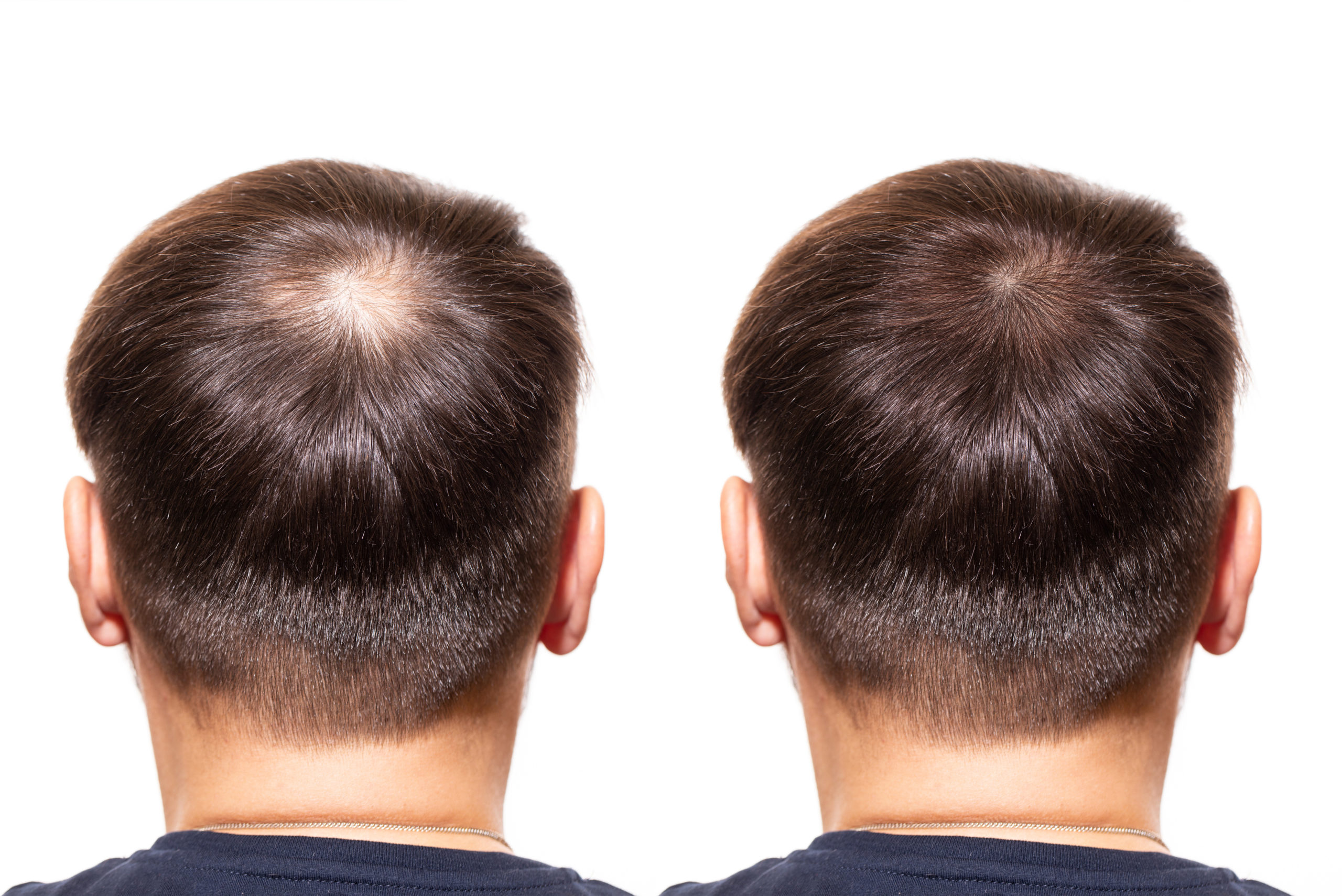
More research is needed to understand whether minoxidil is effective in regrowing hair after cancer treatment. In some cases, chemotherapy may only lead to thinning hair. In others, it makes all of a person’s hair fall out. For example, studies have shown that most of the chemotherapy drugs used to treat breast cancer cause almost total hair loss in most patients. Some people receive radiation and chemotherapy treatments, which can contribute to hair loss. Radiation only affects hair on the area of the body being treated.
Speak to a care advisor
There are certain techniques a person can use to help care for their thinning hair and possibly reduce the amount of hair they lose. Cells in the hair follicles are also dividing cells. Chemotherapy can damage these cells, leading to side effects, such as hair loss. Chemotherapy targets fast-growing or dividing cells, such as cancer cells, and helps slow or prevent their growth. Your scalp is just one of many places you can lose hair during chemo. Depending on the type of chemo drug you use, hair loss may also affect your eyelashes, eyebrows, facial hair, armpits, arms, legs, and pubic area.
Even if you do not lose all your hair, it may become dry and break more easily. But Afro hair (hair type 4 coily) is naturally more fragile and more vulnerable to damage from chemotherapy. Looking after your hair may help it stay in good condition. When your hair falls out, your scalp may feel tender or sore. Occasionally, people lose all their hair over 1 or 2 days.
Cancer and hair loss
Chemotherapy may cause hair loss all over your body, not just on your scalp. Sometimes your eyelash, eyebrow, armpit, pubic and other body hair also falls out. Some chemotherapy medicines are more likely than others to cause hair loss.
Tips for Tying a Headscarf
Look for regrowth to start within 3-6 months from your last treatment. You may even see a bit of regrowth while you’re still in treatment. Some people say that if the chemo drugs can’t get to your scalp, some cancer cells might remain -- but that’s rarely been reported. There are side effects as well, including head and neck aches. There’s no guaranteed way to save your hair during chemo.
If you want to tie a headscarf it is important to start with something quite simple. You don’t want to start with anything too complicated. They can be a bit hot and itchy, especially in the summer. You can wear a soft inner cap (a wig stocking) under the wig to make it more comfortable. Some people worry that the wig will slip or fall off. You can buy sticky pads designed specifically to keep the wig still.
The new caps have cold liquid circulating through them and are connected to a computer that maintains the temperature of the cap at around 32 degrees Fahrenheit. These caps also have a covering that keeps them in place and helps to keep the temperature constant. We have some practical tips to help you cope with hair loss.
Read more about help with the cost of wigs and the NHS Low Income Scheme. A helpful tool for people who are caring for someone with cancer. For medical questions, we encourage you to review our information with your doctor. Mayo Clinic does not endorse companies or products. Advertising revenue supports our not-for-profit mission.
Researchers are also studying whether Elahere is effective as an initial, or first-line, treatment for advanced ovarian cancer and in combination with bevacizumab. People treated with Elahere had fewer severe side effects, such as low blood cell counts, than people treated with chemotherapy. Eye problems, including blurred vision and a disease of the cornea called keratopathy, were among the most common side effects from Elahere.
Which agent is chosen depends on the type of cancer. Chemotherapy drugs damage the genetic material (RNA and DNA) inside rapidly dividing cells that guide cell division. Because these drugs cannot tell the difference between rapidly dividing healthy and cancer cells, they also affect healthy cells. Hair regrowth often begins three to four weeks after treatment is completed.
Your healthcare team can help you determine if you are at risk of hair loss with your treatment, but it can vary from person to person, even when taking the same drug. Hair is lost when chemotherapy drugs damage hair follicles, making hair fall out. It can be hard to predict which patients will lose their hair and which ones won’t, even when they take the same drugs. Some drugs can cause hair thinning or hair loss only on the scalp.
They are made in standard sizes, but can be altered to fit your head. These wigs can be styled and generally cost less than a custom-made wig. Patients usually start seeing regrowth after about six to eight weeks. I tell them that’s certainly one option, but wigs can be expensive as well as hot, particularly here in Texas and especially during the summer months.